


Mowing: An Important Part of Proper Land Management
Mowing is important to proper land management and pasture maintenance for a variety of reasons, and there are many issues that can arise from having an overgrown pasture that many landowners may not typically consider. Whether for aesthetic purposes, fire mitigation, canopy reduction, or cutting down old plant skeletons, there are countless ways native grasslands can benefit from proper mowing techniques.
Tall grass that is left to grow unmanaged for long periods of time can become quite a fire hazard. During hot summer months with little precipitation, grass and weeds tend to dry out, and create a thick layer of flammable material that has the potential to burn down entire fields, and poses a significant danger to livestock and property. Periodically mowing your native pastures is an effective way to achieve fire mitigation throughout your property.
Tall native grass that is left to grow unchecked can also create the perfect conditions for pests like ticks, weeds, rodents and snakes to flourish. Without proper mowing or grazing, weeds can outcompete native vegetation, depleting soil nutrients and reducing biodiversity. Without mowing for long periods of time, organic matter also begins to pile up underneath your grass canopy, giving rodents, snakes, and other pests free reign among your fields. Cutting down your grass at the right time will help ensure that these pests have a difficult time establishing themselves on your property.
Regular mowing and pasture management are essential to prevent these hazards and maintain the health and productivity of your land. Beyond the risk of economic loss, many landowners also find that periodic mowing is a great aesthetic choice, resulting in clean cut pastures to gaze upon proudly from anywhere on your property. By keeping your grassy fields well-maintained, you can reduce fire risks, improve forage quality, and ensure a safe environment for livestock and visitors.
Mowing Frequency: Don’t Overdo it.
Mowing native grass can be beneficial for managing its health and promoting growth, but the frequency of mowing depends on several factors including the type of grass, the purpose of the area, and the overall management goal of a property. Native warm season grasses tend to grow most vigorously in the spring and summer. Grass height exceeding 12 inches in the summer marks the perfect time to mow your pasture. Cutting your fields at this specific time of year will promote grass to grow more laterally rather than vertically, resulting in a more consistent and less patchy native grass stand. With this in mind, there is such thing as mowing too frequently. If the goal for your pasture is to maintain a neat appearance, mowing every 4 to 6 weeks during the growing season will typically suffice. For landowners seeking to preserve a more natural pasture intended to support wildlife, consider mowing only once or twice a year, especially if your land is generally undisturbed. Mowing any more often than recommended may damage your grass, leading to dieback.
Big Problems call for Big Solutions
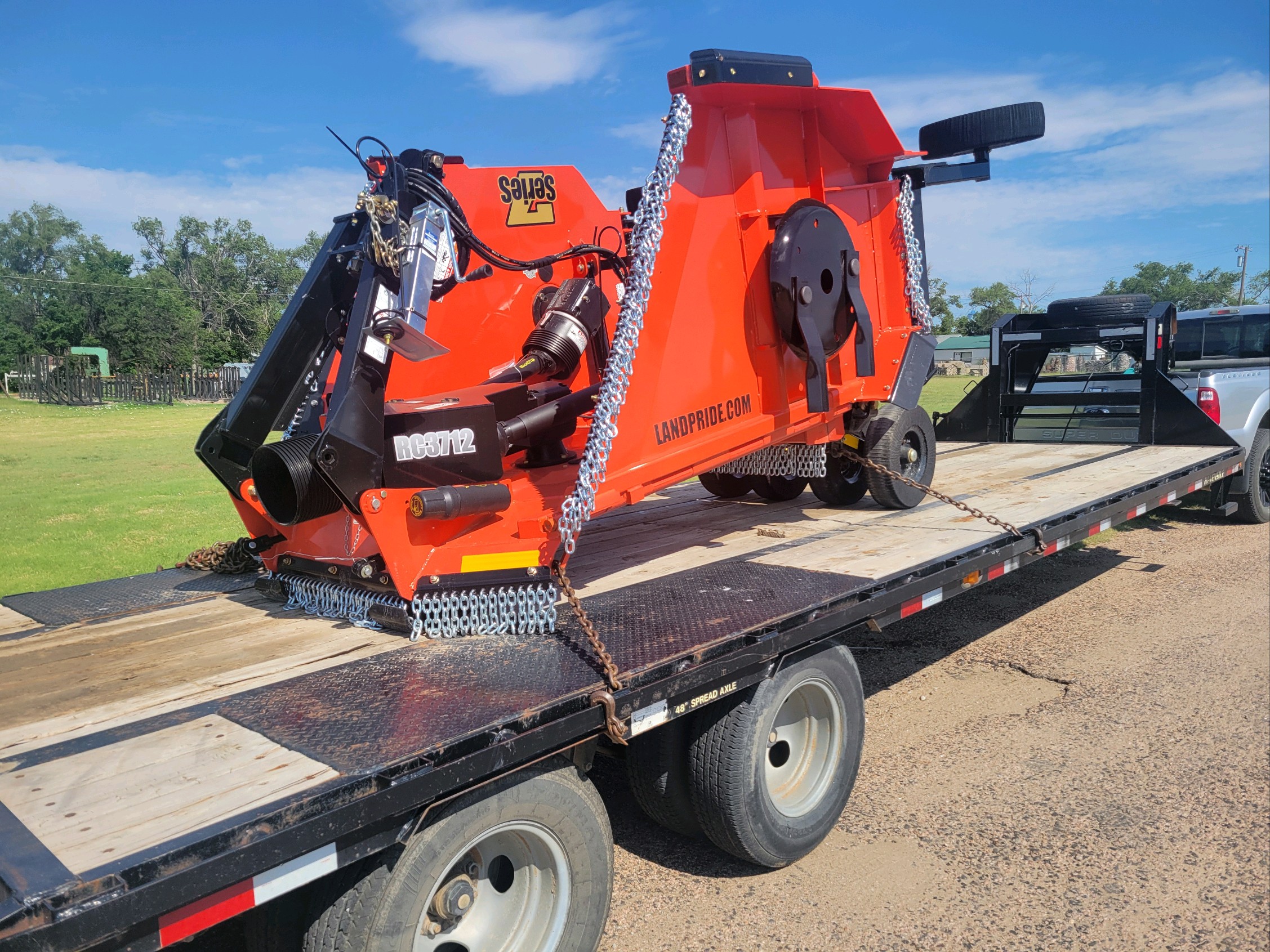
Most landowners know the struggle of using their riding mower, which is a few feet wide at best, to mow their Back 40 acres (Pun intended). But, let’s be real: That little riding mower is going to struggle to efficiently cut any pasture over 2 acres. Beyond this, most riding mowers are only designed to mow turf grass that will rarely exceed 6 inches in height. When it comes to a natural pasture or open field with native grass stands that can exceed three or four feet, riding mowers can struggle to achieve desired results. Large problems like these require large solutions: a 12 foot solution to be exact.

At Back 40, we utilize a 12 foot wide, tractor mounted hydraulic batwing mower to make quick work of any overgrown pasture, big or small. With a 3 inch cutting capacity, and 3 heavy duty rotary blades, our mower can slice through brush up to 3 inches in diameter with ease. Give us a call or schedule a estimate for our Northern Colorado pasture mowing services to show off your clean cut pasture to all your neighbors at your next barbeque!
Leave a Reply